
 EN
EN
EN
EN
In the EU, the specific measures for food contact plastics are governed by Regulation (EU) No 10/2011, including its Union list of authorized monomers, other starting substances, macromolecules obtained from microbial fermentation, additives and polymer production aids under Annex I (aka the positive list, current consolidated version to March 2025).
On February 3, 2026, the EU issued Regulation (EU) 2026/245, updating the positive list of substances for food contact plastics.
FCM substances nos. 1093 (wax, rice bran, oxidized) and 1096 (wax, rice bran, oxidized, calcium salt). Each substance is limited to no more than 0.3% in food contact polyethylene terephthalates (PET), polylactic acid (PLA) and rigid polyvinyl chloride (PVC) materials under defined specifications
Regulation (EU) 2026/245 will enter into force on February 23, 2026 – 20 days following its publication in the Official Journal of the EU.One of the most significant bans is the prohibition on the use of novel chemicals such as triphenyl phosphite polymers in the manufacture of infant formula or breast milk contact materials. This means that the review of ingredients containing plasticizers and additives for products such as baby sippy bags and bottles exported to Europe will become much stricter.
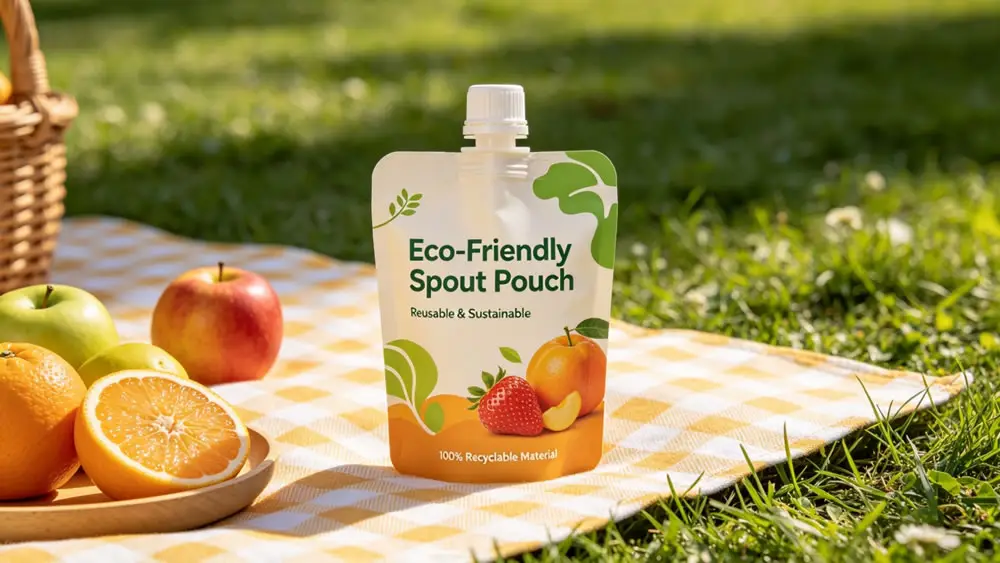
The company boasts a 40,000 m² production base, a 10,000 m² dedicated clean workshop, and a team of over 300 employees. Our equipment includes 3 high-speed printing presses, 3 high-speed dry laminators, 1 solventless laminator, 10 high-speed bag-making machines, and automated tube-making equipment, with a daily output capacity of over 2 million stand-up pouches — demonstrating strong production and delivery capabilities.
06 Aug,2026
09 Jul,2026
29 May,2026
29 May,2026
 EN
EN